Introduction
The preceding chapters of this family history presented the genealogical evolution of what we have labeled the “Rykoski Family,” from the family’s origins in Russian-occupied Poland, its decision to emigrate from Poland and immigrate to America, and the family’s early years settling into the Locust Point community of Baltimore City, Maryland. Facts, artifacts (photos, documents, etc.) and memories from those who remember the earlier generations were used to develop a narrative that describes what life was like for our parents, grandparents and our other ancestors.
In order to add “color” to the family history, which cannot be gleaned from reviewing a traditional, fact-based genealogical “family tree,” the preceding chapters incorporated historical background such as the Great Fire of Baltimore in 1904, World War I, the “Roaring 20s,” and the Great Depression of the 1930s and speculated about how those events likely impacted and shaped the lives of family members.
This, and subsequent chapters, represent a transition from the history of the original immigrant generation to the next generation, who were mostly born in the U.S. but were raised in homes where the culture, values and language still substantially reflected those of the “old country.” This next generation came of age after World War I, during the Great Depression, and before and during World War II and its aftermath. It is through the efforts and industry of these second generation families that those of us who are alive today are who we are. By learning about their experiences we might better appreciate who came before us and use this knowledge to guide our own perspectives about family, life, and the generations that will follow in our footsteps.
In many respects, the Waskiewicz family story can be described as a “love story.” Stanley Alexander Waskiewicz (Stanley) and Sophia Rykoski (Sophie) were both “oldest children” of immigrant Polish-American parents. They met at a dance in the mid-1930s and fell in love, had a family and spent the rest of their lives together. Over the years, like many families they overcame many obstacles, but they worked hard and provided a quality home life and education for their three children.
Direct Ancestors
1 Departing Poland (late 1800s)
2 Locust Point, Md. (1600s to 1900s)
3 Sparzak Family (1890s-1900s)
4 Rykoski Family (1910s-1980s)
–Life as a Baltimore Longshoreman
–WW II Memories of Locust Point
5 Stanley & Sophie Waskiewicz Family
— –Lollie, Carolyn & Tony Waskiewicz
6 Charlie & Teenie Rykoski Bernady
8 Anna ‘Annie’ Laura Rykoski Coulborn ALLEN
9 Anthony Jr. & Marjorie Rykoski
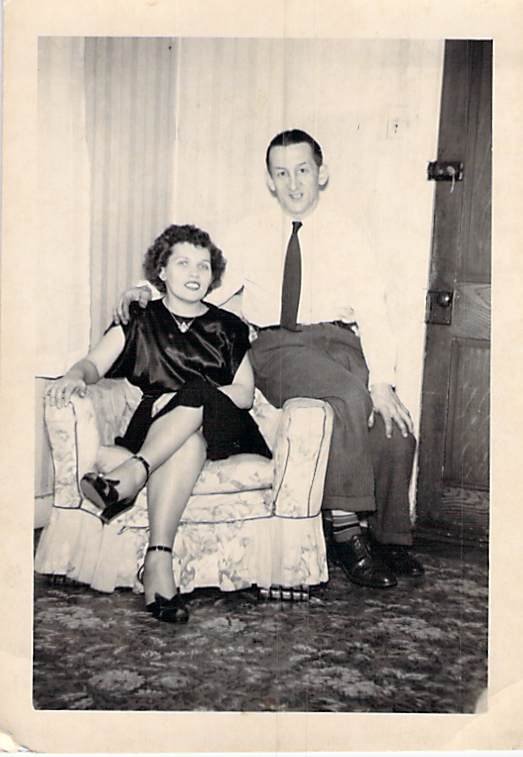
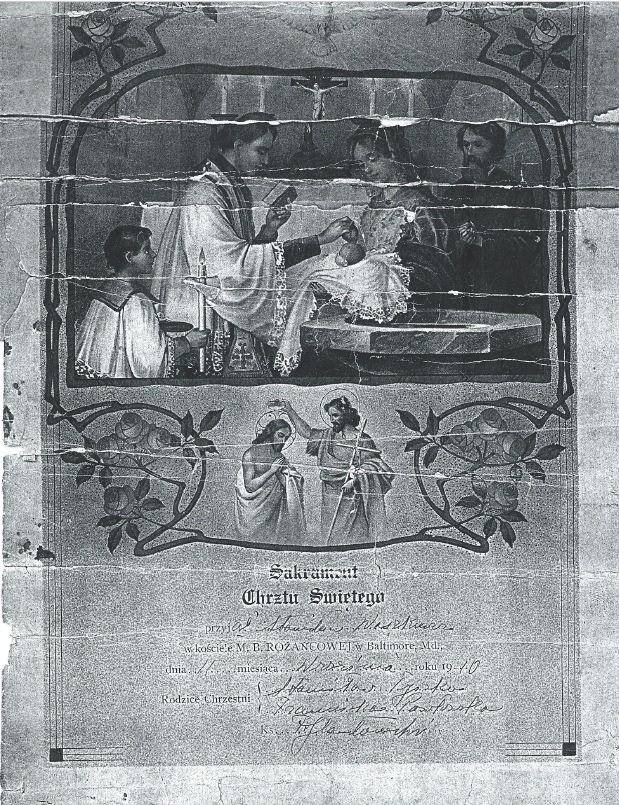
Stanley was born on August 29, 1910, to Stephen Stanley and Sabina Szypulska Waskiewicz in Baltimore, Maryland. Stanley was the oldest of three brothers. His two younger brothers were Phillip, born in 1912, and Carl born in 1915, who would later serve with Chennault’s Flying Tigers during World War II.
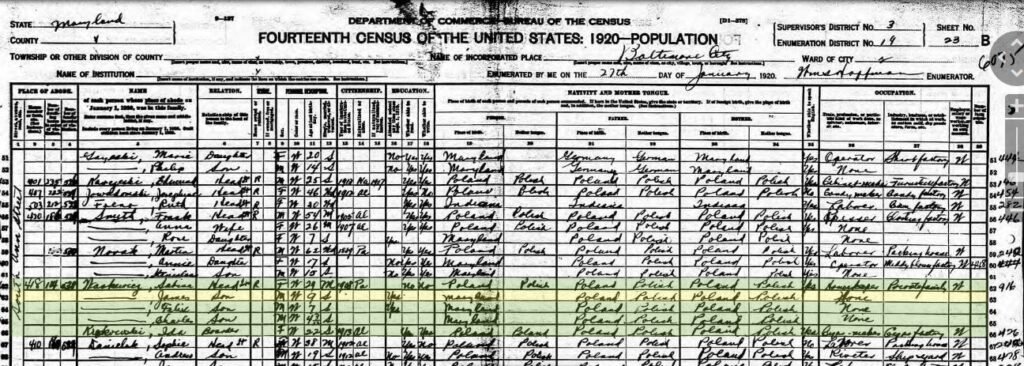
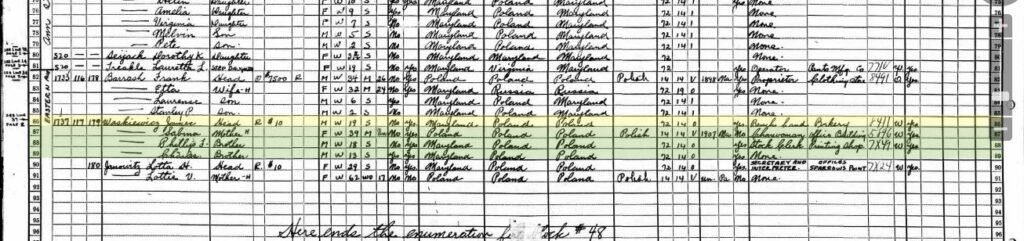
The 1910 U.S. Census indicates that the family lived at 418 South Ann Street in East Baltimore, near Fells Point. Sometime between 1910 and 1920 Stanley’s father left the family and moved to Philadelphia. The 1920 U.S. Census lists Sabina and her three sons at 1737 Eastern Avenue. Sabina worked as a seamstress and in other domestic positions to support Stanley and his two brothers. Later the family moved to a house on Bond Street.
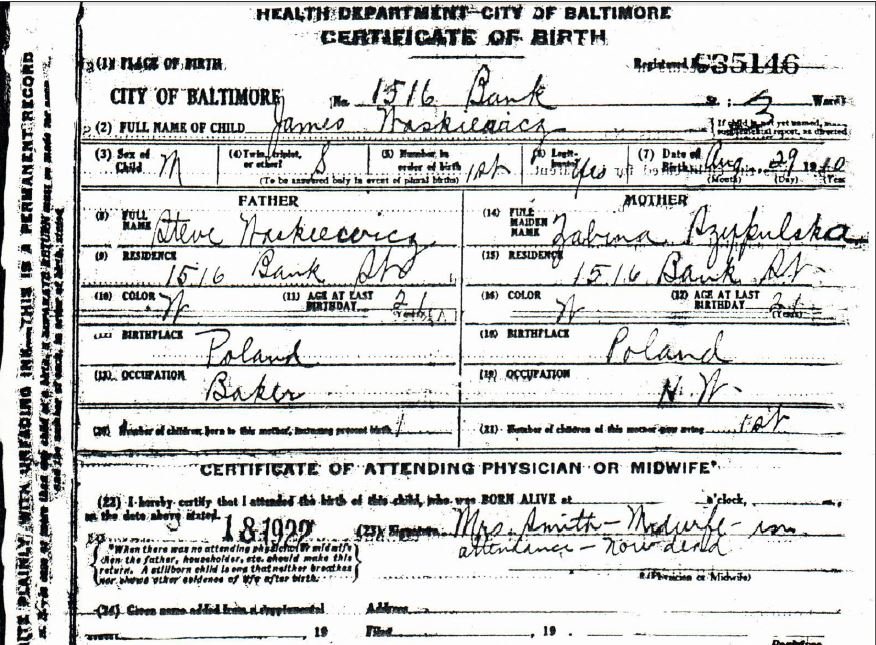
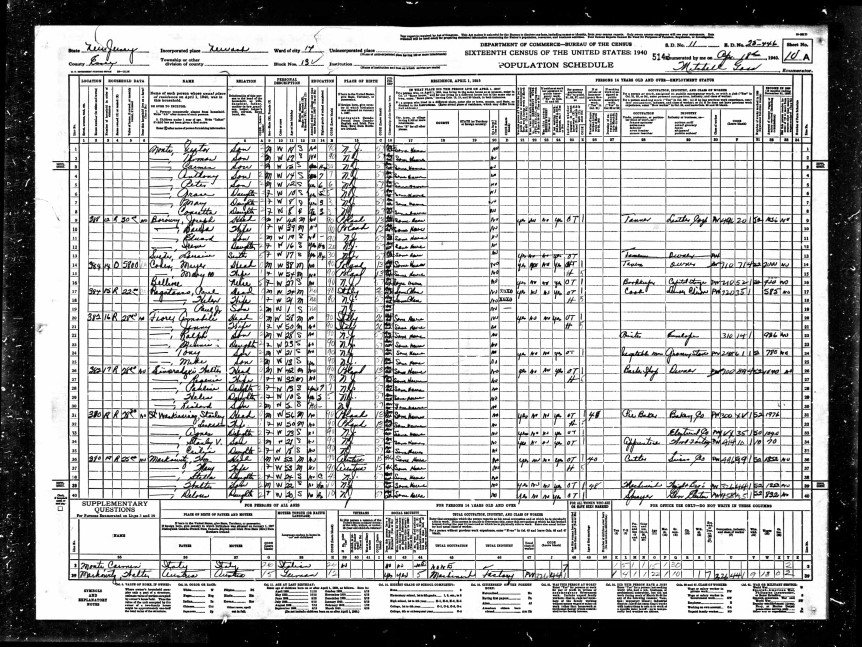
Stanley’s birth certificate gives his name as ‘James’. Growing up, Stanley’s family referred to him as “Jimmy.” He is listed in both the 1920 and 1930 U.S. Census as James Waskiewicz. As an adult, many of the Rykoski family nieces and nephews referred to him as “Uncle Jimmy.” Among the Polish-speaking family he was also referred to as “Stash,” the Polish nickname for people named Stanislaw, which is the equivalent of Stanley in English. At some point, he began to be called Stanley and this was the name by which his children remember him.
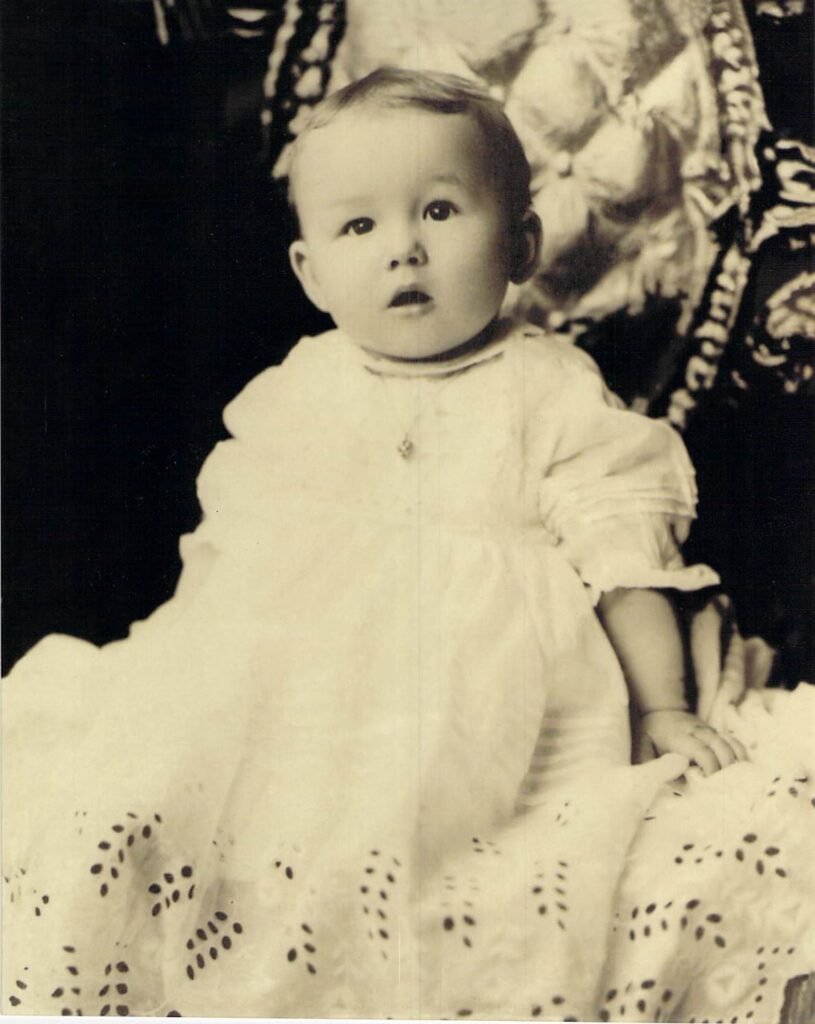
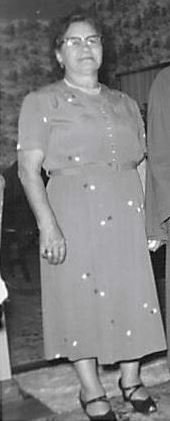
Sabina Waskiewicz
After his father abandoned the family, Stanley, as the oldest son, likely felt a strong sense of responsibility at an early age to help his mother. He left school after the 6th grade, and began a life of hard work, demonstrating a strong work ethic over the years. Most of the wages from his early employment went to his mother to help make ends meet.
According to Stanley’s personal notes, he did the following:
| Timeframe | Age | Employer | Nature of Duties |
| 1918 | 8 | Mrs. Wright’s Farm | Stanley was sent to work on a farm, picking tomatoes, beans and strawberries. He lived at this farm for four years, enjoying his time there immensely. There was plenty of food to eat. When his mother retrieved him in 1922 and collected his earnings, she did not recognize him because he had grown so much over the four years. |
| 1924 | 14 | Coat Hanger Manufacturer | |
| 1925 | 15 | Phillips Brothers Soda Company | Stanley worked on a soda delivery truck. He made $3 per day and his lunch was included. |
| 1926 | 16 | Standard Sanitary | Standard made sinks and tubs at a time when they were in high demand as plumbing shifted indoors. Stanley worked for Standard Sanitary two different times. |
| 1926 | 16 | Newspaper delivery | At the same time that he worked at Standard Sanitary, Stanley had a newspaper route. He involved his two younger brothers in preparing and delivering the papers. |
| 1927 | 17 | Bakery | While working in this job, Stanley only came home on the weekends. It was physically demanding and he quit after a short time, which upset his mother. |
| 1927 | 17 | Becker’s Pretzels | After quitting the bakery, Stanley went to work in a Pretzel factory. |
| 1928 | 18 | Uncle’s Bakery | He worked at a bakery owned by uncle and located at 1739 Eastern Avenue in Baltimore. His Uncle Stanley Tyszko was married to Stanley’s Aunt Anna Waskiewicz Tyszko. This job afforded Stanley an opportunity to gain a more in-depth knowledge of the baking trade. |
| 1929 | 19 | Standard Sanitary | Stanley returned to Standard. He made $25 per week and gave $20 of that to his mother to support the family. |
As can be seen by the preceding table, it was possible during the 1930s, at the height of the Great Depression, for young people and teenagers to find low-paying jobs such as delivering newspapers, manually setting pins in bowling alleys, or serving in menial labor positions in factories, restaurants, bakeries, and other businesses. Stanley started working at age 8, continued working through his teenage years, and demonstrated the strong work ethic that would characterize his entire working career.
Despite leaving school at an early age, Stanley was intelligent and intellectually ambitious. He loved to read, later telling his family that he read the Encyclopedia Britannica from end to end, acquiring knowledge of a broad range of subjects including astronomy, botany, mythology, history, and many others. Even though he grew up in the City, he also developed a strong appreciation for and love of being outdoors.
According to Stanley’s personal notes, he was very involved in sports as a teenager. He especially enjoyed playing baseball and at age 17 was playing as a semi-pro catcher for a team named the Eastern Rangers. A scout for the then-minor league Baltimore Orioles offered Stanley a contract, but he needed his mother’s signature since he was not yet 18 years old. His mother refused to sign because she relied on his work income and was afraid that a baseball focus would restrict him from working a regular job. It is likely that Stanley was resentful of this missed opportunity.
Like many young people who were forced by circumstances to grow up fast in a harsh and demanding world, by his late teens Stanley likely felt more like an adult than an adolescent. This perspective often led mere teenagers to enter into romantic relationships at an early age. Stanley was susceptible to the lure of young romance and on April 22, 1932 when he was 21 years old, Stanley married Josephine Podgurski (Josie), who was 17 years old. Their son, Stanley Waskiewicz, Jr. was born less than a year later on February 11, 1933. The marriage was short-lived as Stanley left Josie two years after they were married, in April, 1934.
Sophie’s Early Years
Sophie Rykoski was born on October 27, 1914. She was the oldest of six children, growing up in a Polish immigrant home in Locust Point, Baltimore. Her father was Antoni Rykoski, a longshoreman who never learned to speak English, and her mother was Julianna Rykoski. Sophie and her siblings were raised in a small five-room Locust Point row house. Chapter 4 of this family history provided an in-depth narrative and photographic history of the Rykoski family.
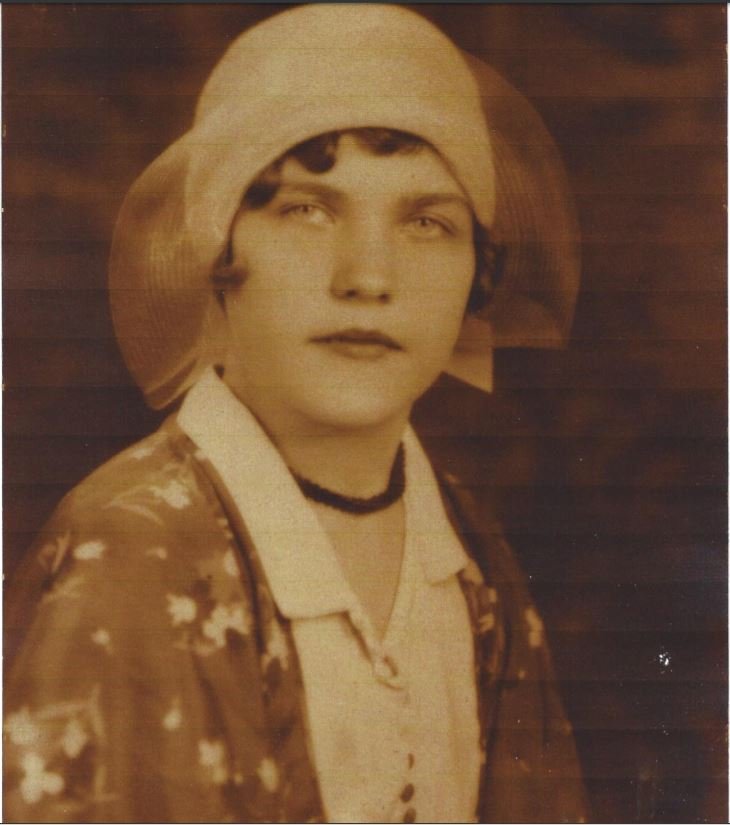
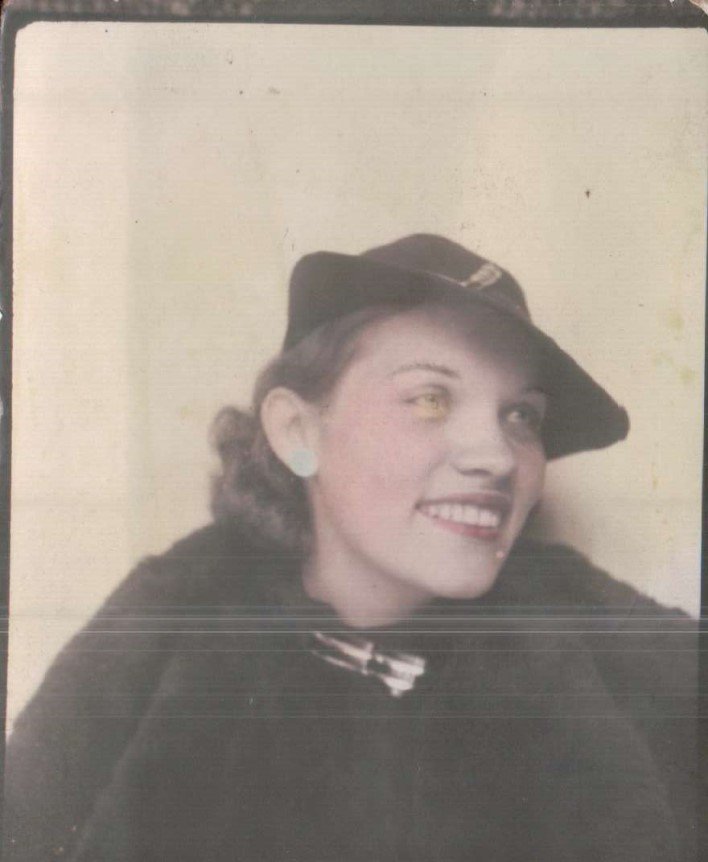
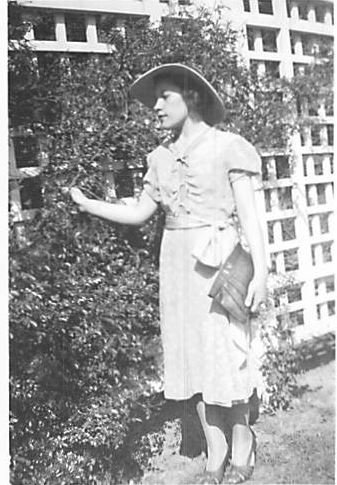
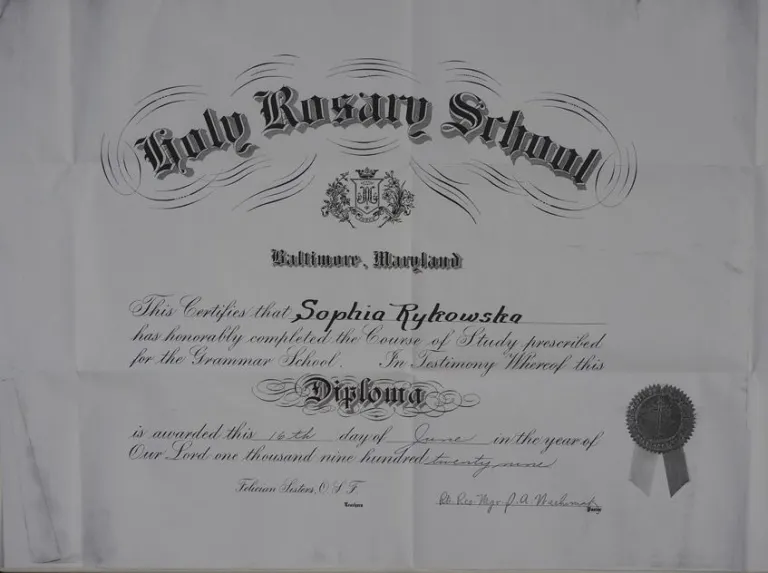
Sophie attended Holy Rosary Catholic primary school, a Polish parish and school located in Fells Point, across the harbor from Locust Point, and like many young women in the 1920s, ended her education upon completion of the 8th grade. She was very close with her sister, Annette ‘Teenie,’ who was less than two years younger, and her “Aunt” Evelyn Sparzak, her mother’s sister. Sophie was actually 2 months older than Evelyn Sparzak.
Life in the Rykoski home at 1440 Reynolds Street was both warm and hectic. For many years the house was alive with the many children, frequent visits by the many relatives who lived on Reynolds Street and in adjacent neighborhoods, and celebrations at the holidays and for other special events. Family members recall that events at the house involved traditional Polish food and lots of laughing and talking.
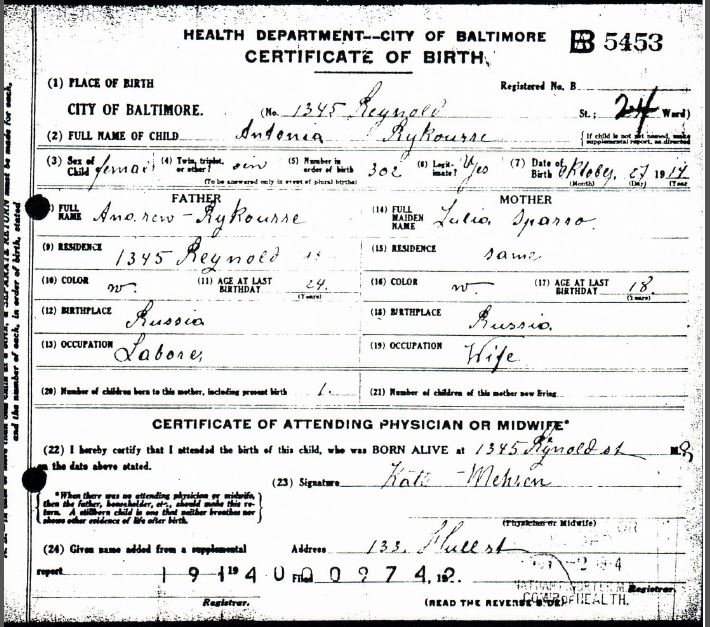
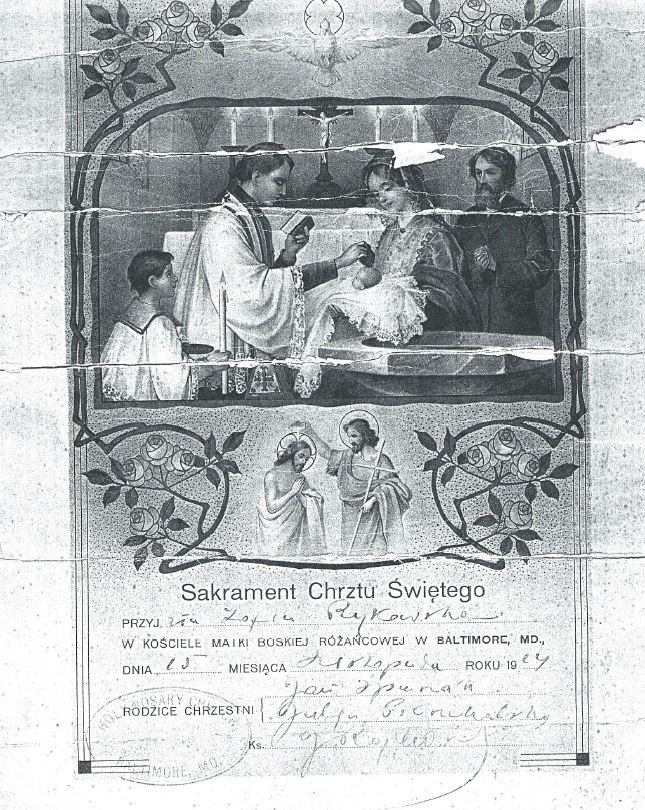
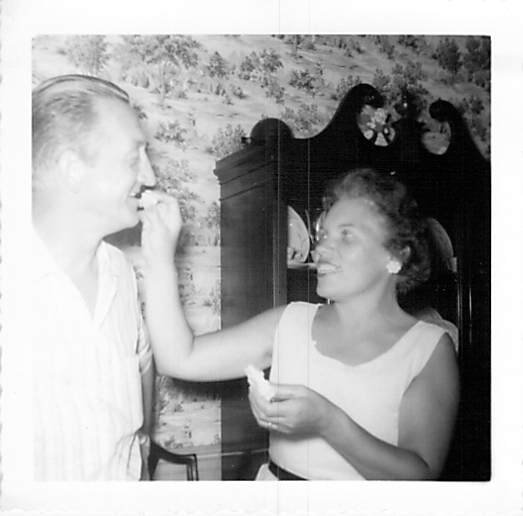
In April of 1934 Stanley left Josephine. According to Stanley’s biographical notes, he and Sophie met at a local dance. At some point, Sophie moved in with Stanley at Sabina’s home, and later they moved to Philadelphia where he worked in his Uncle Anton’s bakery. Curiously, his father had traveled this same path in 1915, leaving Sabina and the boys to work with his brother Anton in his Philadelphia bakery. From that point forward, Stanley and Sophie were inseparable. A testament to Sophie’s love for and devotion to Stanley was her acceptance of his “baggage,” since he was previously married and had fathered a child. The Catholic Church’s strong opposition to divorce, far more intense and stigmatizing in the 1930s than today, likely weighed heavily on both of them.
When Stanley separated from Josie he agreed to make child support payments of $3 per week. Initially he did so, but when he moved to Philadelphia he stopped making the payments. Josie took legal action against Stanley related to non-payment of child support and also filed for divorce, which was finalized on November 30, 1937. As part of the divorce the Court ordered child support payments of $5 per week. Sophie became involved when Stanley was apprehended for non-payment of the child support and from that point forward she ensured that he made the payments, which continued until Stanley, Jr. turned 18 years old. Stanley, Jr., in his adult years, changed his name from Waskiewicz to Wade. The children never met their half-brother, who died in 1984.
Sophie and Stanley resided in Philadelphia for the next four years. While in Philadelphia the couple had social friends including a couple known as Pete and Mary, who had a daughter, as well as Mary’s parents. This surrogate family likely filled the void caused by leaving their Baltimore families. Although Philadelphia is not far from Baltimore, in the 1930s, when few families had cars, it is likely that Stanley and Sophie rarely returned to Baltimore for visits, unless they were willing to return by bus and could afford the fare.
Leonarda Amelia Waskiewicz (Lollie) was born on March 3, 1937, in Philadelphia, Pennsylvania. Since Stanley was still legally married to Josie until November 30, 1937, he and Sophie were unable to be married, but once the divorce was finalized they were able to legally marry, doing so on August 27, 1938, at the Polish National Church on Broadway in Baltimore.
If placed in today’s context, the circumstances and factors that prevented Stanley and Sophie from marrying before the birth of Lollie seem logical and would likely be understood and accepted by most of our contemporaries. However, given the social norms of the early 20th century, especially among those of the Catholic faith, Stanley and Sophie faced tremendous social stigma. They certainly demonstrated strength, courage and good sense in terms of subsequently getting married and providing a loving and stable home for themselves and their children.
During their time in Philadelphia, Stanley and Sophie bore three children. One child was born before Lollie and another born after her birth. Little is known about these two births, but it is presumed the babies were either “still born,” or died shortly after birth. Years later when asked about these births, Sophie did not deny that they occurred. Consequently, Lollie was an “only child” for the remainder of the time that Stanley and Sophie lived in Philadelphia. That situation changed when, after returning to Baltimore in 1939, Stanley and Sophie gave birth to Carolyn Ann Waskiewicz (Carolyn) on April 25, 1941, at Church Home and Hospital located on South Broadway. Three years later their last child, Anthony Stanley Waskiewicz (Tony) was born on August 11, 1944.
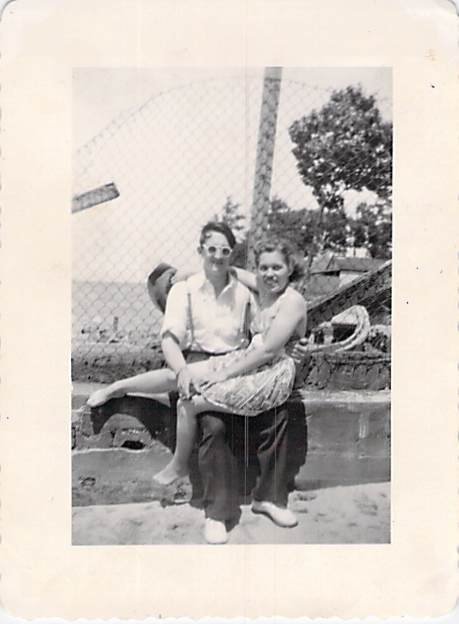
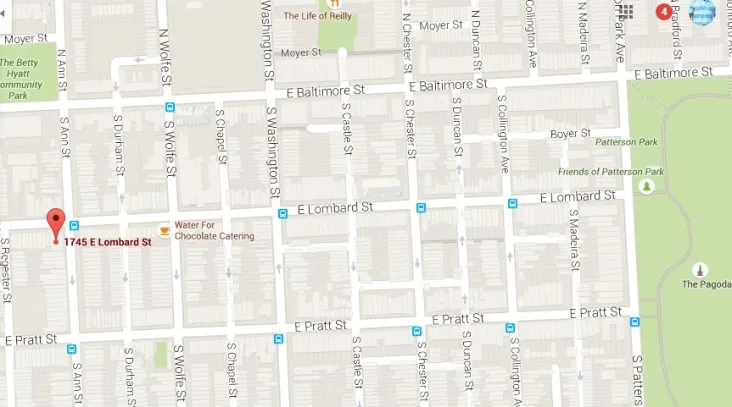
While we don’t specifically know the reasons why the family left Philadelphia sometime prior to August 27, 1938 and returned to Baltimore, Sophie was likely a driving force, wanting to be near her family and to enable her mother, Julianna, to get to know her first grandchild. Upon returning to Baltimore the family initially rented a small apartment on South Broadway for a short time. They then moved to 1745 East Lombard Street (Lombard St.), which was to be the family home for the next 15 years.
As the tumultuous 1930s ended, Stanley, Sophie and Lollie entered the new decade with much optimism. Stanley continued to demonstrate his hardworking ethnic spirit, working multiple jobs in order to achieve the American dream. Eventually, when the children were old enough to care for each other, Sophie would join him, obtaining employment and contributing to the family income.
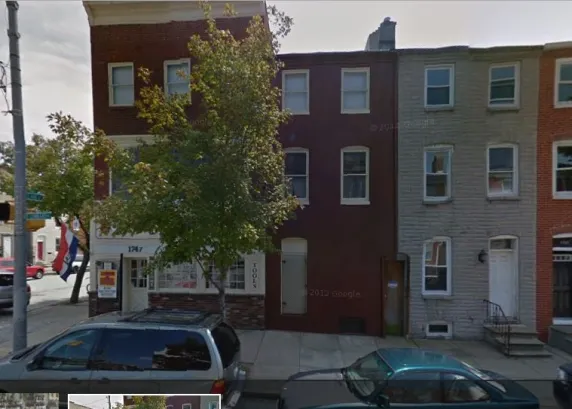
The Lombard St. home was a three-story row house located in a German ethnic area of East Baltimore, a little over a mile east of the Baltimore inner harbor area and only five city blocks west of Patterson Park. The home was the second row house on the south side of the block. It was bounded on the east side by Fauldrath’s Paint and Hardware store, a slightly wider and taller structure, which was located at the intersection of Lombard and Ann Streets. To the east was a block-long series of similarly sized row houses extending east toward Patterson Park.
Lombard St. is located in what is today known as Butchers Hill. Originally, it was known as Washington Hill. The row houses along the 1700 block of Lombard Street are approximately 1800 total square feet, 12 feet wide, and were built around 1900.
At the time the Waskiewicz family lived at East Lombard Street there were two white wooden steps that led to the front door. However, the family initially rented only the second of the three floors, so they could not use the front entrance. In order to reach the second floor, the family entered a narrow alley located between 1745 and the adjacent house. This alleyway led to a side entrance into the house, a cellar entrance covered by a gate, and the small cement back yard, where the outhouse was located when the family first resided there and before City plumbing was installed.
The first floor was occupied by the Russell family, which included a father, mother and one son. The third floor, which consisted only of a single room located at the front of the house, was occupied by Mr. Mudrock, the building owner and recipient of the rent payments.
During the time that the family lived only on the second floor, living conditions were tight. The living, kitchen and bath areas, separated from the front bedroom by the staircase which continued to the third floor, were located at the rear of the house.
All five family members slept in the single bedroom that was located at the front of the house. Stanley and Sophie slept in a double bed, the girls slept in two single beds pushed together and Tony slept in a crib. The beds were covered with “feather beds” which provided greater warmth than blankets in the winter, important since the second floor had no direct heat source. The family also used Army surplus “chemical” heating pads for warmth. The chemicals were activated by adding a spoonful of water and shaking the pad, then placing it in the bed where heat was released, keeping the family warm during the cold winter nights.
In later years, the third floor became available and the family was able to rent the additional single room on that floor, which became Lollie and Carolyn’s room. The girls were ecstatic to have their own space, viewing it as a luxury because of the size of the room and the ample closet space. The rear windows provided a view over the second floor roof, which extended to the back yard, and across to the other houses in the neighborhood.
The Waskiewicz family occupied the top two floors of Lombard Street as renters through the remainder of the 1940s. At the end of the decade the owner, Mr. Murdock died providing Stanley and Sophie an opportunity to purchase the entire building, which they did. As proud new homeowners, Stanley and Sophie aspired to live in the entire house, waited until the renters of the first floor moved, and commenced converting the building into a three-story single family home. Stanley spent a lot of time making modifications to unite the various floors and the family finally started using the first floor as its primary living space.
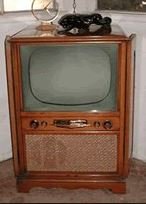
The front entrance led into a large parlor/living room with an elegant but no longer operational marble fireplace. The dining room was located between the front room and the kitchen, but the family used this middle room as more of a living area since it was warmer in the winter because of its proximity to the kitchen and cooler in the summer since it did not get direct sunlight. The family’s first television and telephone were located in this room.
By shifting the primary living space to the first floor the family entered through the Lombard Street entrance located at the front of the house. The former second floor living space was converted into additional bedrooms, giving each child her or his own room. Lollie remained in the third floor bedroom, one of the second floor rooms was wallpapered and made attractive for Carolyn, and Tony moved into his own bedroom.
The family did not have a refrigerator in the early years, only an ice box which required the purchase of ice from Sergi, the neighborhood ice man. The kitchen had a stove for heat and some cooking, fueled by wood or coal. A small room beyond the kitchen eventually was converted into a bathroom when indoor plumbing was installed. Like many houses in the 1940s, Lombard St. had no hot water source; heating water on the stove was the sole means for washing and bathing.
Like most Baltimore row houses, coal and wood were used for heating and cooking. Coal was delivered through a “coal shoot/basement window” located next to the front steps which led to a “coal bin” located in the front of the dirt floor basement.
Life in Baltimore during and after World War II was challenging. There were food shortages during the War and people were asked to conserve food and other resources to support the War effort. As large numbers of men went into the military, many women took their places in factory and other blue-collar jobs.
Men who were not accepted into the military and women who replaced the ones who went into the military often worked long hours. Some worked two jobs to make ends meet. After the War ended, tens of thousands of soldiers left the service and returned home, seeking to return to their old jobs, which were now occupied in many cases by women. The Nation was deeply in debt because of the War effort and there was a long period of post-War adjustment both in the workplace and at home among families as they were reunited. The social and economic equilibria that had been reached during the War was disrupted as America adjusted to changing times and conditions.
Stanley enlisted in the U.S. Coast Guard Reserve on September 10, 1942 for the “duration of the war,” at the rank of Boatswain’s Mate First Class, but he was not activated for regular duty during the war.
Stanley worked at many occupations and for many employers over the years. He worked at Maryland Dry Dock as a security guard when he was activated to the Coast Guard during World War II, and later at Fisher Body/General Motors plant on Broening Highway. He often worked additional part time jobs, such as a roofing mechanic and laborer for Chesapeake Asphalt Company (Gerber Roofing), and also for neighboring Fauldrath’s Paint and Hardware Store.
Like many families of that era, Stanley and Sophie worked hard to earn enough money to pay rent, living expenses, Catholic school tuition, and to save for the future. They were highly motivated to save so they could eventually move to a better neighborhood and more substantial home.
Stanley often worked two jobs which meant he would leave early in the morning and not get home until late at night. Sophie economized by making clothes for the children. As the children grew old enough to care for each other Sophie joined the workforce to improve family finances and savings and to help pay Catholic school tuition as the children reached school age. In 1948 she obtained a job at Meadow Gold Ice Cream Company, saving as much of her earnings as possible. She continued to work at Meadow Gold until 1966. Sophie began at Meadow Gold as a packer. Later she learned the skills involved with making ice cream molds, and from there began working with appropriate chemical compounds and recipes involved in making and testing ice cream.
By the 1950s, television was replacing radio as a major source of news and entertainment. The early television sets were black and white (monochrome); it was not until the mid-1960s that color sets started selling in large numbers. Television sales skyrocketed during this decade as families watched serials such as “I Love Lucy,” westerns, variety shows such as Milton Berle and the Ed Sullivan Show, and evening news broadcasts. Children watched Disney and Looney Toons cartoons. By the beginning of the next decade teachers wheeled televisions into classrooms so that young students could watch NASA launch space rockets carrying the first American into space and the first to orbit the Earth.

City life had its own unique challenges. Baltimore was typically very hot and humid in the summer and cold in the winter. Spring and autumn weather, however, was usually comfortable and pleasant. Row houses like Lombard Street, with their flat tar roofs and lack of outside trees and vegetation were brutally hot in the summer. Many homes had window fans, but there was no air conditioning. On hot summer days the family would sit on the front steps during the early evening hours trying to keep cool until the temperature dropped sufficiently in the house to permit the family to sleep. Sometimes the family would visit nearby stores and purchase a treat of an orange soda, soft pretzels, or sweet pickles.
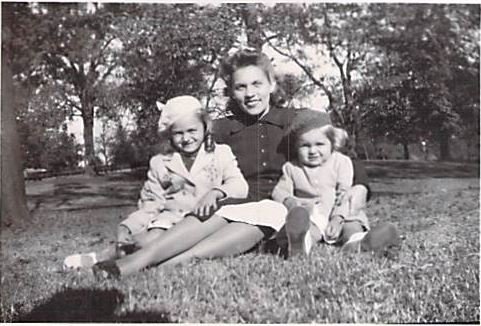
By the mid-1940s Lollie was eight years old, Carolyn was four years old and Tony was a baby and young toddler. Since Lombard Street was located close to Patterson Park, only five city blocks away, Sophie would sometimes pack bag lunches and take the children there to counter the summer heat or to enjoy pleasant autumn and spring days. The Park was large, over 137 acres, and contained many features including a water fountain with a pond of “gold fish,” a pagoda building, boat lake and a building that was named “The Casino.”
The Waskiewicz children fondly remember playing on the park cannons and near the Patterson Park water fountain, walking through the park and playing in the grassy areas. Sometimes the children would stop on the way to or from the park at the bakery to get cookies with their pennies, hoping that the “nice” lady would wait on them rather than the more serious, not-so-friendly lady who worked there.
The children also played in the neighborhood with friends, playing on the front steps, the sidewalk or small backyard, or even on nearby side streets. Lollie remembered playing with friends including Patsy Morowski, Christina Chinelewski, and Lillian Widomski. The girls would play with paper dolls or with “jacks” on the front steps. Tony remembered playing curb ball, marbles, touch football, with baseball cards and toy soldiers, and pitching pennies, often with other boys in the neighborhood.
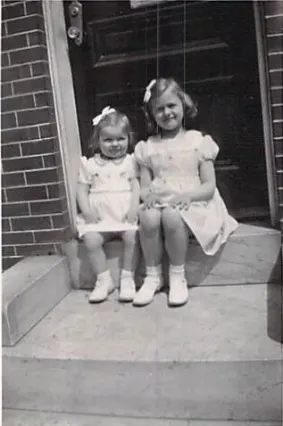
Lollie and Carolyn
During the summer a carnival would set up at St. Michaels, with rides and games and food. There was Friday night Bingo. In 1952 a swimming pool opened in Patterson Park and the children spent many days at the pool. The girls would sometimes take Tony to a movie at one of the local movie theaters, either “The Cluster” or “Broadway.” Sometimes the children would go to the Fells Point Recreation Center where the sisters would play with the older kids and Tony would play board games and “pickup sticks” by himself.
At the end of the school year, St. Michael’s parish would take all the school children and their families on a trip to Gwynn Oak Amusement Park, which had rides, a penny arcade, a picnic area and animal rides (goats and ponies). The children loved visiting Gwynn Oak Park.
The Waskiewicz family’s years in the City instilled memories that are unique to the location and time in which they lived. Summer offered the most diverse sights, sounds and smells, since the family spent more time out-of-doors. Often, after a long, dry spell, the summer humidity and high temperatures would cause massive amounts of warm, moist air to rise into the atmosphere stimulating strong, violent thunderstorms. People sitting on their front steps could see heavy rain approach toward them, block after block. The approaching storm brought with it the smell of imminent rain, caused by dust being stirred from the previously dry streets and buildings by the approaching rain storm. The rain smell was very distinctive and those who experienced it would never forget it.
Throughout the summer the City was alive, especially in the evenings, when most people were sitting on their front steps waiting for the temperatures to cool and children were playing hop scotch or jump rope on their sidewalks
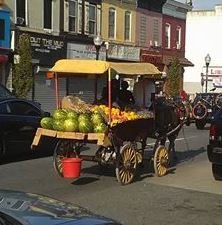
City residents also experienced sights and sounds of horse-drawn wagons, with bells softly jangling, whose vendors would invite them to approach the wagon to examine and purchase seafood, fresh vegetables and fruit piled high on the wagon. The Baltimore term that referred to all these produce vendors, regardless of ethnicity, was “A-rabbers” and shopping from these vendors was traditionally called “A-rabbing”. This group served as a vital neighborhood link between the city’s retail market and the working class neighborhoods of row houses that ring the Baltimore harbor. Residents also saw various delivery trucks making their rounds during the day, including ones delivering ice to replenish melted ice in everyone’s “ice box,” milk delivery trucks, and other similar services.
The Waskiewicz family shopped primarily in the neighborhood, at Pete’s Grocery, and in Fells Point, sometimes at the Broadway Market, where they enjoyed the bustling environment and many stalls filled with vegetables, fruit, chicken, beef and cheeses. For a treat, the family would occasionally stop at the Arundel Ice Cream store on Broadway. Also remembered is shopping at Hecht’s Reliable department store and the familiar Lakein’s Jewelry shop. Sometimes the family journeyed across Patterson Park into the Highlandtown shopping district, which stretched down Eastern Avenue. Sidewalks were packed with shoppers going in and out of markets and retail shops. The family experienced smells of various traditional and ethnic foods cooking in local restaurants. Sometimes the family would take the streetcar into downtown Baltimore and shop at the large department stores such as Hochschild-Kohn, Stewarts, Hutzlers and Brager-Gutmans.
Winters were also memorable. The occasional winter storm or blizzard would blanket the streets and buildings with snow. Later, when the Waskiewicz family ventured outside, it would first notice how quiet everything was because traffic had virtually come to a halt, interrupted only by the occasional clink-a-clink-a-clink of a passing vehicle equipped with “tire chains” to prevent slipping, sliding and skidding. The children would shovel a path across the sidewalk and from the street to the front of the house. Neighbors would slowly emerge and commence their own shoveling activities.
The snow also offered play opportunities. The children would make and throw snowballs, build snowmen, or take a sled to Patterson Park. The older kids would try to pull the youngest. Reaching the Park, they would try to find a good location to ride the sled down a slope. After thoroughly exhausting all snow play options, the children would return to the house, shed their boots, gloves and wet clothes and head to the kitchen for a cup of hot chocolate, trying to get warm again.
Church & School
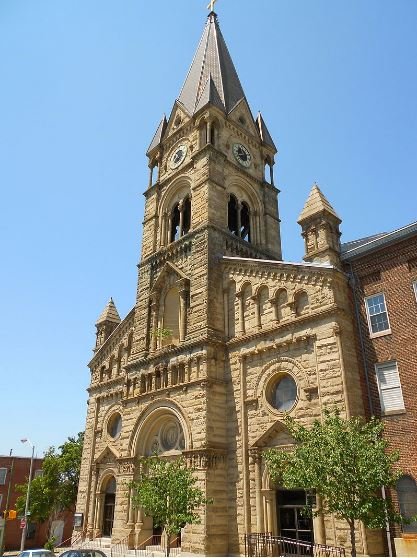
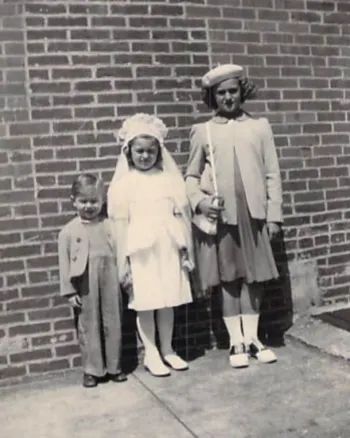
The family attended St. Michael’s Catholic Church, which was located on Wolfe Street, only one block from their home. The children all attended St. Michael’s Catholic School. They received the Catholic sacraments of First Communion and Confirmation at St. Michael’s Church.
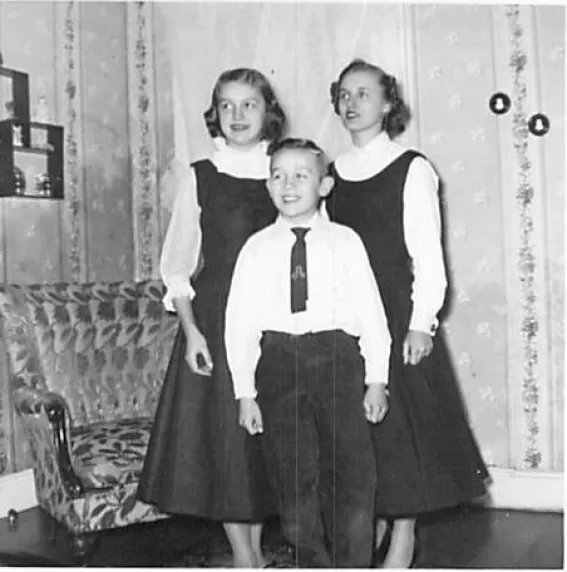
Like most Polish-Catholic families the Church and School played a central role in the Waskiewicz family life. The Parish provided opportunities to dress in formal clothes as the family attended church services, provided religious education to the children, and served as a source of social interaction through dinners, bingo, youth activities and other related events.
The children made many friends through their church and school activities. Some were drawn to the Church in a special way and contemplated a life of service to the Church. Others would meet people who would have a significant impact on their lives, including meeting their future spouse through their involvement at St. Michaels.
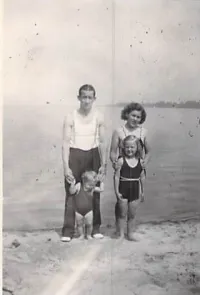
In the 1940s, Stanley became seriously ill with Bright’s Disease, also known as nephritis, a disorder wherein the blood vessels in the kidneys are chronically inflamed due to the presence of a protein (albumin) in the urine. It is accompanied by severe back pain, elevated blood pressure, restricted breathing, vomiting and fever. Since Bright’s Disease is closely associated with diabetes and high blood pressure, treatments generally tend to include improved dietary fiber and reduced sugar and salt intake.
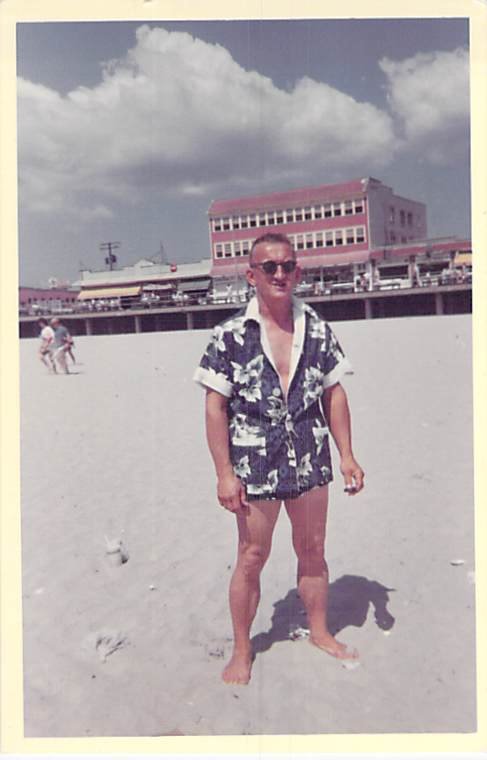
After being diagnosed, Stanley and Sophie decided to take regular family vacations. That first was a summer vacation on Miller’s Island where the family swam, fish, and enjoyed Chesapeake Bay living. The illness and Stanley and Sophie’s conclusion that he needed more rest and relaxation led to the decision to take annual vacations, a practice that lasted for several years at Miller’s Island. Later, the family often vacationed at Wildwood, New Jersey, sometimes staying at Spicer Hall , eating at reasonably priced restaurants, people-watching on the Boardwalk, and enjoying the beach and swimming in the Atlantic Ocean.
On one Wildwood vacation, when Lollie was 15 years old, her parents told her to “dress up.” They then took her, with her Uncle Tony and Aunt Marge Rykoski to a Tony Bennett show. For a fifteen-year-old this was a thrilling and memorable experience.

Parental Supervision
The fifteen years that the family lived at Lombard Street represented a substantial part of the children’s formative years. Their childhood memories are of having good parents who provided their children with a good home life and education, attending school and church, visiting Patterson Park, playing with friends, and enjoying family get-togethers on holidays and other special occasions. In reality, there were challenges as well. Stanley and Sophie would sometimes have heated arguments, over issues and subjects that the now-grown children do not remember. For the most part, their memories evoke images of a distant era; one with significantly different values and culture than our present society.
The relationship between most parents and their children in mid-1900s was significantly different than it is today. Many contemporary parents never let children out of their sight and try to be involved in every aspect of a child’s life, preparing their meals, driving them to consecutive extracurricular events, arranging play dates with friends, supervising homework and fulfilling the modern definition of “helicopter parents.”
In 1950s and 60s there was a different dynamic. Most parents were not able to be involved in every aspect of their children’s lives. There was no less love or affection that there is today, but there was a different expectation that parents had toward their children. Children and adolescents realized that their parents spent many hours “making a living,” worked long hours, and, as a result, were extremely tired when they returned home from a long workday. Parents expected their children to use their free and unsupervised time well, to engage in positive activities, behave, and stay out of trouble.
Mothers would typically stay home when the children were very young or hire a babysitter, maid or nannie to watch them if they worked. When they felt that the oldest child was old enough to handle the responsibility, however, even as young as nine or ten years old, they would have that child assume a significant part of the caretaking role as they had done when they were young.
In the Waskiewicz case, Sophie remained home until all the children were in school . There were no babysitters or nannies. However, like most families of this era, the oldest children assumed domestic responsibilities at a relatively early age, helping with cleaning and laundry and some child care duties.
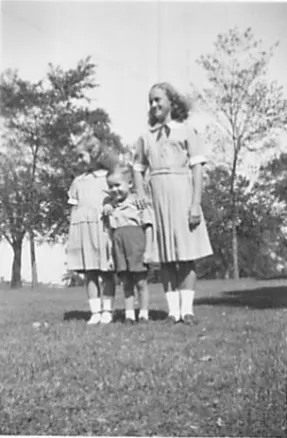
Growing up in a home where both parents worked also gave children greater autonomy. Children played outside by themselves for many hours without adult supervision, often visiting nearby side streets and meeting other children in the neighborhood. At dinner time and bed time children would often hear a parent calling their name from the doorway, announcing that it was time to come home. This freedom from direct and constant parental supervision enabled youth to experience both the good and bad that came with life in the City and also equipped them with “survival skills” and the adaptability and flexibility that were necessary to make their way in the world as they matured.
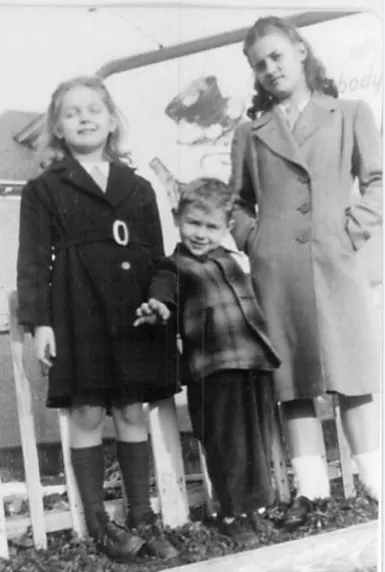
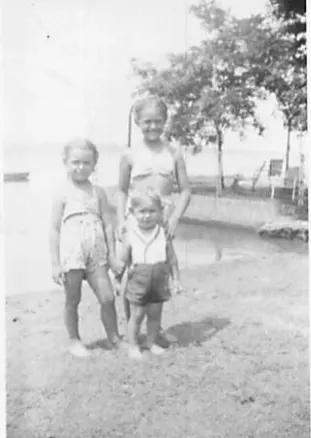
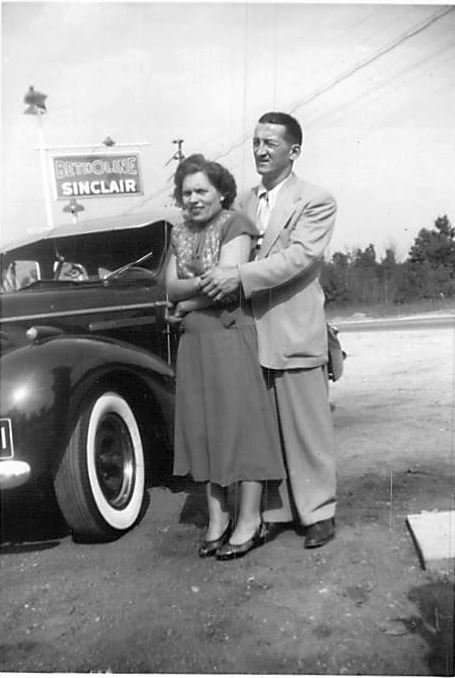
By the mid-1900s, America’s population had become more mobile because of availability of public transportation in the form of electric street cars and emergence of affordable automobiles produced for the masses. Ford Motor Company pioneered the use of mass production techniques which enabled it to produce and sell over a million cars by 1920. The automobile was no longer a toy for the rich.
The convenience of the automobile freed people from the need to live near street car lines or train stations in order to get back and forth to work or to visit family. Paved roads, traffic controls such as stop signs and, eventually, overhead electric traffic signals became common place in the mid-1900s and, as wages grew many families acquired their first car.
Stanley worked at General Motor’s Broening Highway auto assembly plant for many years. He was loyal to the United Autoworkers and to General Motor products, a loyalty that would influence his purchase of cars for his entire life. His family describe him as a “bread and butter” proud Union man who took pride in his work and his strong personal work ethic.
Over the years he owned many used and new cars. The first family car that his children recall was a used 1937 Chevrolet, followed by a used black Buick, a used grey Plymouth, and a used 1953 Chevrolet (Chevy) which was used by some of the children to learn to drive. Years later, Stanley purchased his first new car, a white 1961 Chevy, followed by many new car purchases in subsequent years.
Like many women of that era, however, Sophie never learned to drive. She depended on Stanley and later on her children to transport her to run errands, visit her family in Locust Point and to travel to other destinations.
Holidays were special times. The family attended Church on Christmas Eve and the children went to bed early because “Santa” would soon arrive. One memorable Christmas, while crossing the street on the way home from midnight mass, the family waited for a car to pass the intersection. To their surprise the car slowed down and stopped, and there behind the wheel was “Santa” in full garb and beard. The “Santa” gentleman rolled down the window and stopped. Looking directly at little Tony, he said “You’d better hurry home and get into bed so I can come to your house tonight.” Needless to say, Tony wasted no time hurrying home and into his bed. The family would rise early the next morning, racing down the stairs and bubbling over with excitement about the gifts located under the Christmas tree. They would have to wait until after breakfast to commence tearing into the wrapped presents and then would spend time playing with the gifts until it was time to visit the Grandmothers, first Sabina’s home and then , later in the day, Julianna’s .
The Rykoski home in Locust Point was small, and the house would be crowded with lots of people and the smells of Polish food. Many would be talking in Polish and were loud, boisterous, laughing and talking about things that typically were not interesting to the younger family members. The home would be decorated and Julia and her sisters and cousins would be preparing many traditional Polish dishes, setting out dishes on the dining room table.
After briefly saying hello to everyone and partaking in a few cookies and a beverage, the children would typically go outside, sitting on the front steps. They would also cross Fort Avenue to play in Latrobe Park or, if accompanied by older family members would venture across the Fort Street bridge which passed over the massively large train yard leading to the shipping terminals where Antoni Rykoski unloaded ships over the years. On the other side of the bridge they would enter, visit and play at Fort McHenry.
Easter was a special time as well. Grandmother had a tradition of baking a lamb-shaped cake that would be sitting out on the dining room table. After Church the family would visit Grandmother Rykoski. She prepared many traditional Easter foods: dyed eggs, raisin bread, butter shaped into a lamb, homemade sausage, and more; all placed beautifully on the dining table. The grandkids would participate in various activities such as “egg pecking” while the adults congregated in the kitchen and engaged in loud and lively conversation.
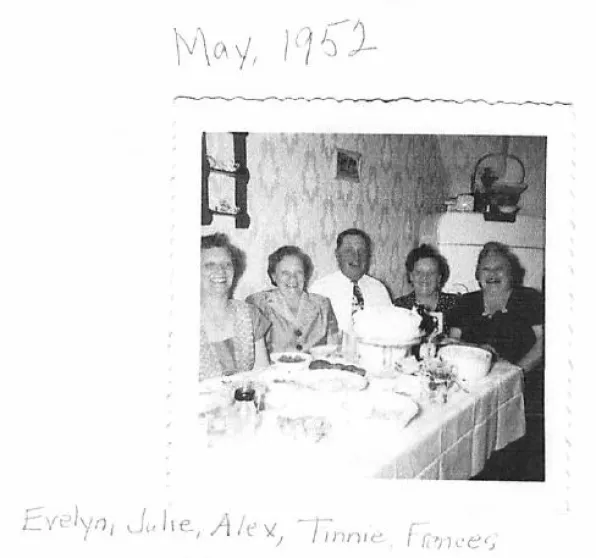
In the late 1940s and early 1950s Baltimore City pursued efforts to provide low-cost housing to the City’s poorest residents, erecting high rise projects including Lafayette and Flag House, and Murphy Homes and Lexington Terrace in the East Baltimore area, not far from where the Waskiewicz family lived on Lombard Street. Despite its best efforts, the City was unable to mitigate the poverty that accompanied living in the projects and associated problems including drug use, violence and crime which created fear and unease among those living in close proximity. The neighborhoods north of Lombard St. and near Patterson Park were also changing as Hispanics and people from India began to settle in the area. The traditionally tightly-knit East Baltimore German, Italian, Jewish, Greek and Polish ethnic communities anxiously observed how their neighborhoods were transforming. Many long-time residents made the difficult decision to leave their communities and relocate to the suburbs seeking a better quality of life for themselves and their families.
By the mid-1950s Stanley and Sophie were more determined than ever to escape the deteriorating conditions in their neighborhood. In early 1955 the family purchased a home located at 3504 Northway Drive, in the Overlea area of Baltimore. They moved from Lombard Street on June 10, 1955 ending their fifteen years at that location, but starting a new chapter in their lives. For Stanley and Sophie, it was a long-held dream that had come true and their happiness at making this move was evident to all who knew them.
Years late, daughter Carolyn and her husband Gary made a nostalgic trip back to the Lombard Street neighborhood. They discovered that the hardware store located next to their former Waskiewicz home was still open under new ownership. Upon talking to the new owners Carolyn and Gary learned that they had also purchased 1745, opening walls and enlarging the hardware store. The interested owners welcomed them and permitted them to wander about, visiting the areas of the former 1745 residence. Although not certain, Carolyn believed that the kitchen wallpaper was the same, and other elements from the old house still remained, such as the marble fireplace. She remarked how much smaller each room seemed than when the family lived there.
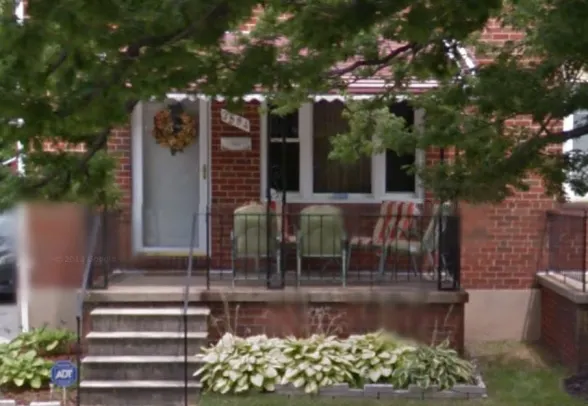
The family “dream house” was 3504 Northway Drive was in Overlea, just a few blocks inside the City line from Baltimore County. The house was a semi-detached 20-foot wide brick house. It was new construction, had an unfinished basement, a first floor living area and three bedrooms and a bathroom on the second floor. It had hot water, central heating and a gas stove. Moving to a newly built home in the suburbs was a dramatic change for the Waskiewicz family. The house was surrounded by grass and trees and nearby parks.
The transition from Lombard Street to Northway Drive was significant in different ways for each of the family members. At the time of the move Stanley was 45 years old, Sophie was 41, Lollie 18, Carolyn 14, and Tony was 10 years old. For Stanley and Sophie, the move represented an uplifting experience, reinforcing their belief in themselves and instilling pride in having arrived at a destination that would be their home for the rest of their days.
For Lollie, who would marry two years later, it was bittersweet because Dan, the man whom she had met at St. Michael’s Church and would soon marry, still lived in the old neighborhood and the move distanced her from him and the other friends that she had made over the years. Carolyn too missed her friends from the old neighborhood but was headed out to a new high school outside the neighborhood, and new friends.
For Tony, who was only 10 years old, the move was exciting and he looked on it as an adventure, slowly transitioning from activities near Lombard Street to ones in the Overlea area. At first he still commuted to Highlandtown to participate in sports leagues, but he eventually joined leagues in the Overlea area.
Tony transferred to St. Michaels Overlea school, which was a one-mile walk away from their new home. By this time Lollie was in college and Carolyn was attending high school at the Institute of Notre Dame in downtown Baltimore.
Both Stanley and Sophie continued to work after moving to Overlea. The children were relatively free from parental supervision, especially in the summer when schools were out. They often would travel around the area on foot or by bike, exploring their new neighborhood and surrounding communities. They met and socialized with neighborhood kids and teens, playing games and sports and “hanging out” together. They would go to movies, sometimes take a bus to Orioles games, and participate in age-appropriate activities; for Tony this included a brief stint in the Boy Scouts which afforded him an opportunity to hike and better appreciate the outdoors.
Stanley and Sophie continued to have a strong, close relationship with the Rykoski family, visiting on holidays, birthdays and other special occasions. The significant age gap between the Waskiewicz children and their many cousins created a distance between them as they progressed through their teen years into young adulthood. By the time the younger cousins were old enough to remember events and relationships the Waskiewicz children were finishing high school, attending college, and getting married.
Stanley’s nieces and nephews have fond memories, recalling that he smoked cigars and came across as a “character.” He was boisterous, quick-witted, funny and a great story teller. They remember Sophie as kind, warm-hearted, a fabulous cook, and that she loved to laugh. One time she made a batch of Christmas cookies and while the adults were in the other room talking she gave a plate of cookies to one of the nieces and went back to the kitchen to continue talking to her mother and sisters. The niece ate all of the cookies and then was scolded by her father for eating so many. They recalled visiting the Waskiewicz home and seeing many framed photos of their cousins. Since the Waskiewicz children were older than the cousins Sophie would tell them about Lollie and Carolyn, since they had left home by that time.
The early years in Overlea were still the era of Frank Sinatra, Dean Martin, big band and jazz music. Toward the end of the decade, however, musical tastes among young people began to shift. Artists including Elvis Presley, Chuck Berry, Patti Page, Ray Charles and Johnny Cash started to dominate. “Doo wop” groups such as the Drifters, Bill Haley and the Comets, and the Coasters were popular at high school dances.
By the time the tumultuous 1960s arrived and the Beatles and contemporary rock groups dominated music, the Waskiewicz children were busy making their way in the world. The girls had left home and Tony was finishing high school and attending college. Events such as the assassination of John F. Kennedy, Martin Luther King and Robert Kennedy were occurring as the new generation of Waskiewicz’ were leaving home and entering the workforce. Certainly the racial riots in Baltimore after the death of Martin Luther King impacted the family. Not far from their old home on Lombard Street, rioters destroyed the section of Lombard Street where the Jewish delicatessens were located and most never returned to the area.
The family also was not directly affected by the anti-war protests and the “hippie movement,” with its drug culture that emerged in the latter part of the 1960s. Overlea was sufficiently insulated from the social movements that were taking place that its residents could watch what was occurring but still continue living as they had for many years.
Stanley and Sophie would spend more than half their lives in the Northway Drive home. They continued to enjoy get-togethers at the homes of their children, Sophie’s siblings or Julia’s home in Locust Point. Julia’s children would transport her to holiday and special events. Her passing in 1983 marked the end of an era and greatly impacted all of her children who loved visiting with her and spending time with siblings and cousins at her home. After Julia passed, Stanley and Sophie saw less of the Rykoski relatives but enjoyed hosting their own children and grandchildren on holidays.
Stanley’s mother, Sabina Szypulska Waskiewicz lived until December 1969, passing at the age of 82.
Stanley passed on May 18, 1998 at the age of 87. Sophie lived another six years, passing on July 22, 2004 at the age of 89. They lived a full life, working hard, providing for their family, and demonstrating that it was possible, despite a variety of challenges, to love one another and to be happy together.
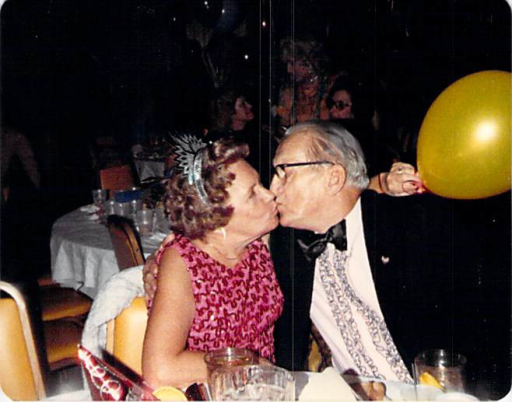
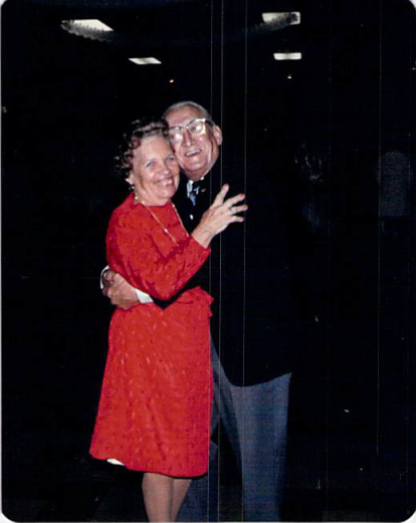
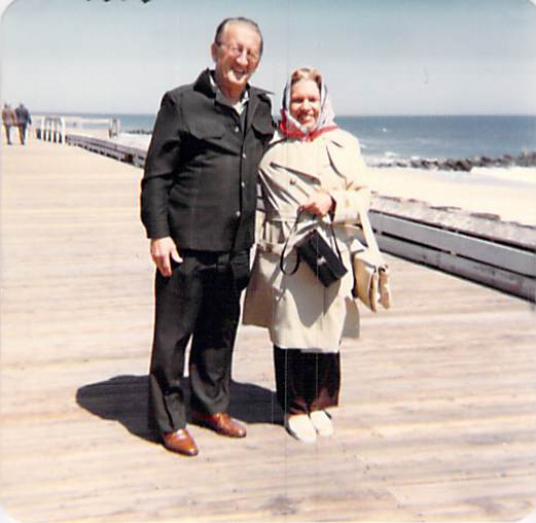
| Stanley Alexander “Stanley” WASKIEWICZ | b: August 29, 1910, Baltimore, Md. d: May 18, 1998, Baltimore, Md. |
| Sophia Rykoski WASKIEWICZ | b: October 27, 1914, Baltimore, Md. d: July 22, 2004, Baltimore, Md. |
| Leonarda ‘Lollie’ Amelia Waskiewicz DACHILLE Daniel A. DACHILLE (11/07/1934) | b: March 03, 1937, Baltimore, Md. |
| Carolyn Ann Waskiewicz HARRIGER Gary C. HARRIGER (04/06/1940) | b: April 25, 1941, Baltimore, Md. |
| Anthony ‘Tony’ Stanley WASKIEWICZ Sr. Barbara Copsey WASKIEWICZ (12/01/1945) | b: August 11, 1944, Baltimore, Md. |
NOTE: THIS CHAPTER PROVIDES A GENERAL HISTORY OF THE WASKIEWICZ FAMILY. A MORE DETAILED BIOGRAPHY FOR EACH OF THE CHILDREN IS PROVIDED AT THE FOLLOWING BLOG: